
What to Expect From Your Inspection

The ASHI Experience - We Speak House

A Homebuyer’s Guide to
ASHI-certified home inspectors

​There is so much to think about when buying a new home. Property taxes, the school district, distance and time for your daily commute, and proximity to what matters most to you all play a major role in deciding on what home to buy. However, before you buy any home, it will need to be inspected by an American Homeowners Society of Home Inspectors (ASHI) certified and licensed professional home inspector.

While a home inspection is optional in most locations in the United States, many lenders make it a mandatory step for approving a loan on a home, and with good reason. Nobody wants to be on the hook for costly repairs to a home that should have been made by the previous owner prior to sale. Your realtor is going to strongly advise you to get a professional home inspection, so there is only one consideration left to ponder: what should your ASHI certified home inspector be looking for?

Serving Colorado Springs, El Paso County And The Entire Pikes Peak Region

Our Inspections

Here’s a list of areas and items that a competent professional home inspector should examine during your home inspection.

Grounds

Your home inspector generally starts by inspecting the grounds of the property. Here are some items they typically examine:

  • Correct grading should direct water drainage away from the house
  • There should be no evidence of standing water on the grounds
  • Tree branches or bushes should not make contact with the house or overhang the roof
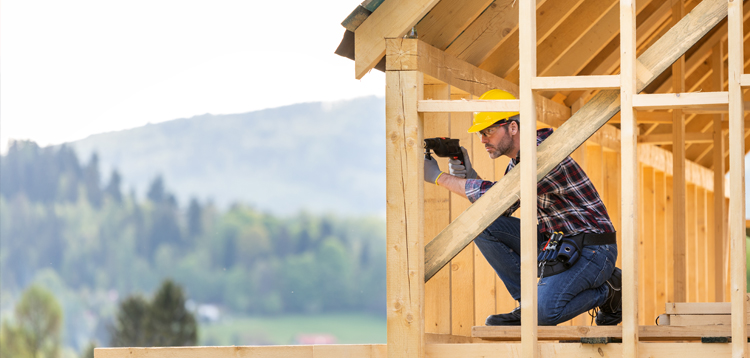
  • Fences, sheds, decks and retaining walls should be structurally sound and free of termite damage and rotted wood

Structure

Next, inspectors typically examine the structure of the house for the following possible issues:

  • Ridge board and fascia board lines are straight and level
  • Sides of the house are straight with no bowing or sagging
  • Windows and doorframes appear square (this is particularly important with bowed windows)
  • Any visible foundation is in good condition: straight and plumb with no significant cracks

Exterior Surfaces

Once they have determined that the exterior structure is in good condition, an inspector will typically move on examining the exterior surfaces of the house.

  • At least 6” of clearance between the ground and any wood siding (no earth-to-wood contact)
  • Siding should be secure (not loose) with no visible cracking or curling, and free from rot or decay
  • Any masonry veneers should not show cracks at the joints, and all components should be unbroken without spalling or flaking
  • No vines should be growing on the surface of the the main house structure
  • Exterior paint or varnish/stain should be flake and blister free

Windows, Doors, and Trim

After inspecting the major exterior surface of the home, a home inspector will turn their attention to the windows, doors, and any exterior trim. Here are some of the items they will be looking at closely:

  • Wood frames and trim should be secure and free from cracks, rot, or decay
  • Joints around frames should be caulked
  • All glass should be intact (especially with window or storm panes), screens free from large holes or tears, and all double- paned insulated window seals should likewise be undamaged.
  • Drip caps should be installed over all windows

Roof

Now that doors, windows, and trim have all been properly checked, your home inspector will check the roof for potential problems. Here is what they are looking for:

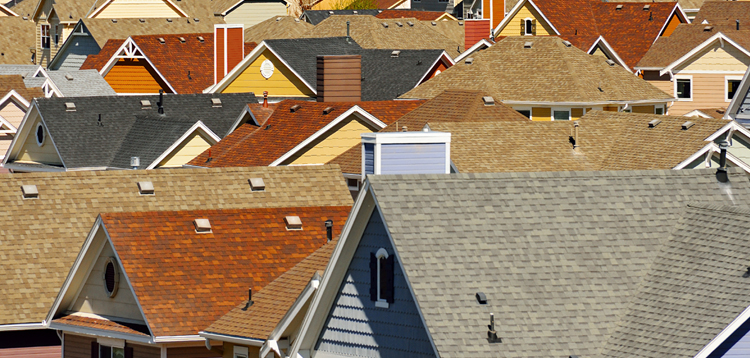
  • For composition shingles: no curling, cupping, loss of granulation particulate, and no broken, damaged, or missing shingles, as well as no more than two layers of roofing
  • For wood shingles or shakes: no mold, rot, or decay, no cracked, broken, or missing shingles, and no curling
  • For flat roofs: no obvious patches, no cracks or splits, few if any blisters/alligatoring, or wrinkles, no silt deposits (a sign of improper drainage), and tar should be sealed at flashings
  • Gutters: no rust or decay, sealed joints, secure attachment to main structure, no bent, sagging, or missing sections of the gutter or downspout, with gutters clean and free of mud deposits

Attics

In addition to the roof, home inspectors will also want to examine the attic for issues as well. Here are some of the items they check under the surface of the roof:

  • There should be no stains on the underside of roofing, particularly near roof penetrations
  • No evidence of decay or structural damage
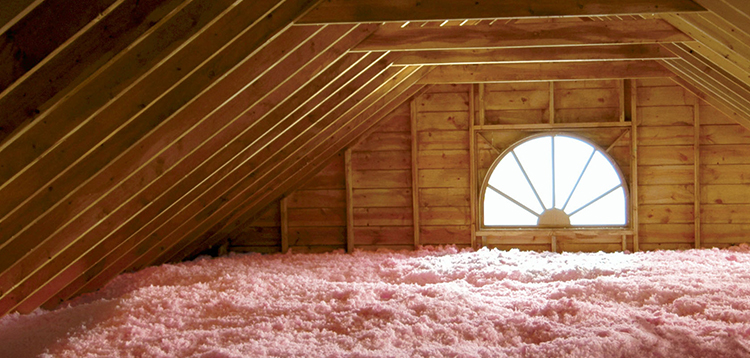
  • Properly installed and sufficient insulation with a moisture barrier installed closest to the heated areas of the house
  • Sufficient ventilation, clear access for airflow of soffit vents, properly sized gable end lovers, and all mechanical ventilation should be in good working order
  • No plumbing, exhaust, or appliance vents should terminate in the attic
  • There should be no open electrical splices

Interior Rooms

After checking out the attic, most home inspectors turn their attention to the interior rooms of the house. Here are a few items they are checking for:

  • Floors, walls, and ceilings should be straight, plumb, and level
  • Interior surfaces should be stain free
  • Flooring should be maintained in good condition
  • No cracks in walls or ceiling
  • Windows and exterior doors operate freely and latch reliably, no broken glass, no painted-over sashes, no evidence of decay, proper weatherstripping, no broken hardware
  • Adequate number of electrical outlets and all outlets test properly
  • Heating and cooling source for each habitable room

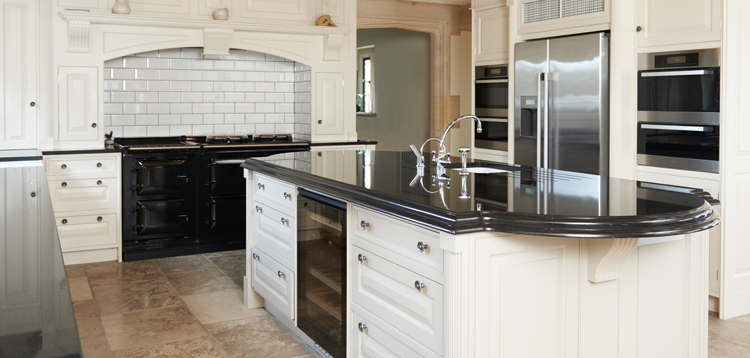
Kitchen

When inspecting the kitchen, your home inspector will most likely be examining the following items:

  • Exhaust fan that vents to building exterior
  • Ground Fault Circuit Interrupt (GFCI) protection for electrical outlets that are placed within six feet of the sink
  • Dishwasher: Drains properly, leak-free, baskets present, door spring works correctly
  • No leaky pipes under the sink
  • Cabinet floors should be solid and free from stains and decay
  • Adequate water flow in the sink
  • All built-in appliances function properly
  • Cabinets are in good condition with smoothly operating drawers and doors

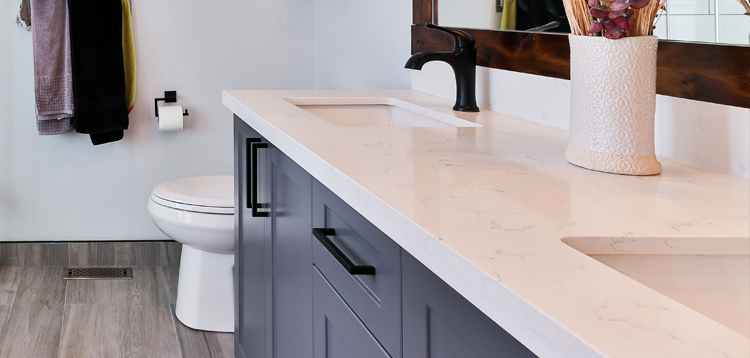
Bathroom

In each bathroom of the home, your inspector will be looking at all of the following and more:

  • Exhaust fan functions properly and does not terminate in the attic space
  • All fixtures have adequate water pressure and flow
  • All drains are clear and function properly
  • Plumbing and cabinet floor under the sink should be in good condition.
  • Toilets operate properly and are stable (no rocking) with no stains around the base
  • Caulking is in good condition both inside and outside tubs and showers
  • Tiles should be secure and wall surfaces solid
  • No stains or evidence of leaking paste should be found around the base of any bath or shower

Basement

If the potential home has a basement, the inspector will generally check for the following:

  • No evidence of moisture or damp
  • No exposed foundation, stains, major cracks, flaking, or efflorescence
  • For visible structural wood: no sagging, damage, decay, stains, or insect damage, and sills are attached correctly to the foundation with anchor bolts
  • Insulation is intact at rim/band joints

Plumbing/Electrical

No home inspection would be complete without checking the pipes and wiring to make sure they are safe and undamaged. Here is what your inspector will be checking for:

  • For visible pipes: no damage, evidence of leaks, stains or signs of stains on materials near pipes, drain pipes slope downward towards the septic/sewage system outlet
  • For the Water Heater: no rust, proper ventilation, adequately sized to produce hot water for the number of bedrooms in the home, temp should be between 118-125 degrees Fahrenheit
  • Water pump should not short cycle
  • Galvanized pipes should not restrict water flow
  • For Visible Wiring: in good condition, no “knob-and-tube” wiring, no exposed splices, cables secured and protected by adequate wiring insulation and conduit
  • Service panel: adequate capacity, all cables must be attached with cable connectors, and fuses or breakers should not show evidence of overheating
  • There should be no aluminum cable for branch circuits

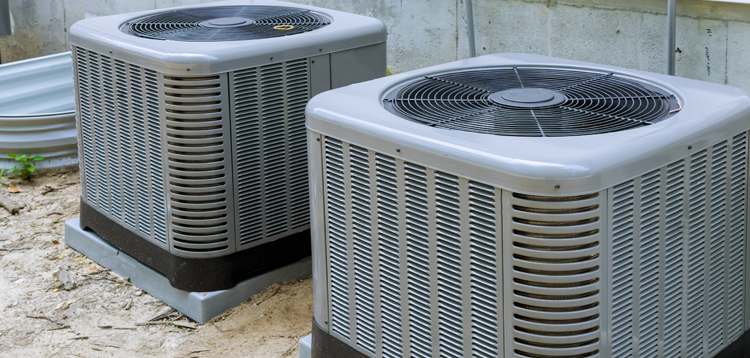
Heating and Cooling

Last but not least, your home inspector should examine the home’s heating and air conditioning systems. Here is what they will be looking for:

  • Good airflow of heat throughout the home
  • Rust free cooling unit
  • No odor of gas combustion
  • Air filters should be clean
  • Ductwork should be in good condition
  • No asbestos on heating pipes, water pipes, or air ducts
  • Separate flues for gas/oil/propane and wood/coal furnaces

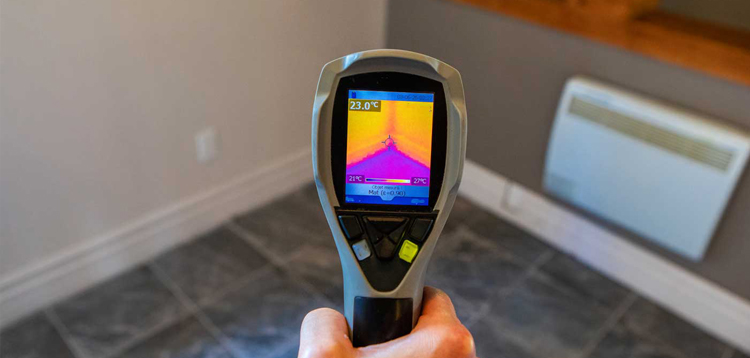
Thermal Imaging

Thermal imaging allows us to get temperature details about a home, and assess how protected against environmental elements the home is. Thermal inspections can reveal:

  • Water penetration into roofs and ceiling surfaces
  • Moisture build up in building materials
  • Detection of missing or insufficient insulation
  • Electrical issues at points like breaker boxes, outlets, and switches
  • Detect plumbing & piping and their proper/improper installation
  • Impact on energy efficiency

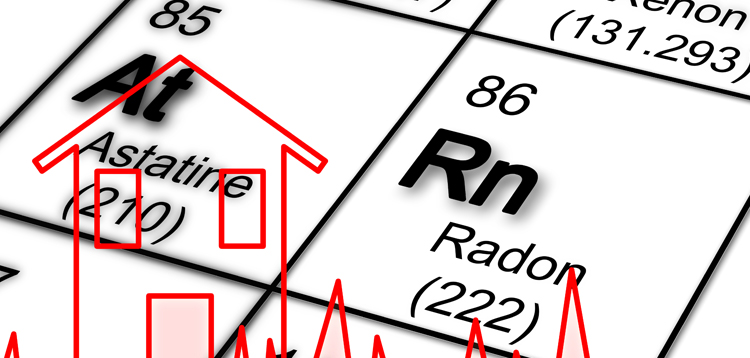
Radon Testing

No matter where you are in America, your home may be exposed to dangerous radon gas. Radon is the 2nd leading cause of lung cancer and is very prevalent in Colorado.

  • Radon is colorless and odorless, and it is extremely carcinogenic.
  • The EPA recommends that you test for radon when buying a home.
  • Radon testing is the only way to be sure that your home is safe from the dangerous effects of radon.

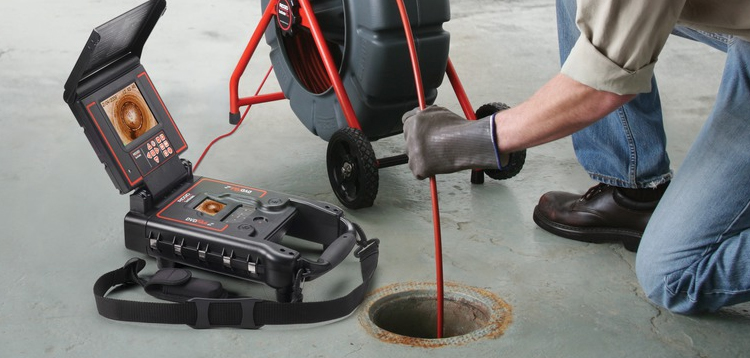
Sewer Scopes

One of the most often-overlooked inspections when purchasing a new home is a sewer scope inspection. Older homes often have clay or Orangeburg sewer pipes that can be easily damaged. Homes of any age can have problems with the underground sewer pipes caused by soil settlement or poor burial.

  • Water that is backing up inside the house
  • Large trees that are growing near the sewer line area. Their roots may constrict or damage the pipe
  • A home that was built 25+ years ago, which could have clay sewer pipes. Clay sewer pipes can be easily damaged

After Your Inspection

Upon completion of your inspection, a comprehensive inspection report will be emailed to you along with photos. This report will be emailed to you the same day, giving you plenty of time to evaluate it. After you have had a chance to review the report, if you have questions about any findings or need clarification, please call us so we can answer your questions.

If you are in the process of purchasing a home and want to ensure that you are not buying your way into future home ownership woes, be sure to contact an ASHI-certified home inspector and get that potential home inspected prior to making an offer. You may end up avoiding a money-pit at worst, and a potential lowered asking price at best.